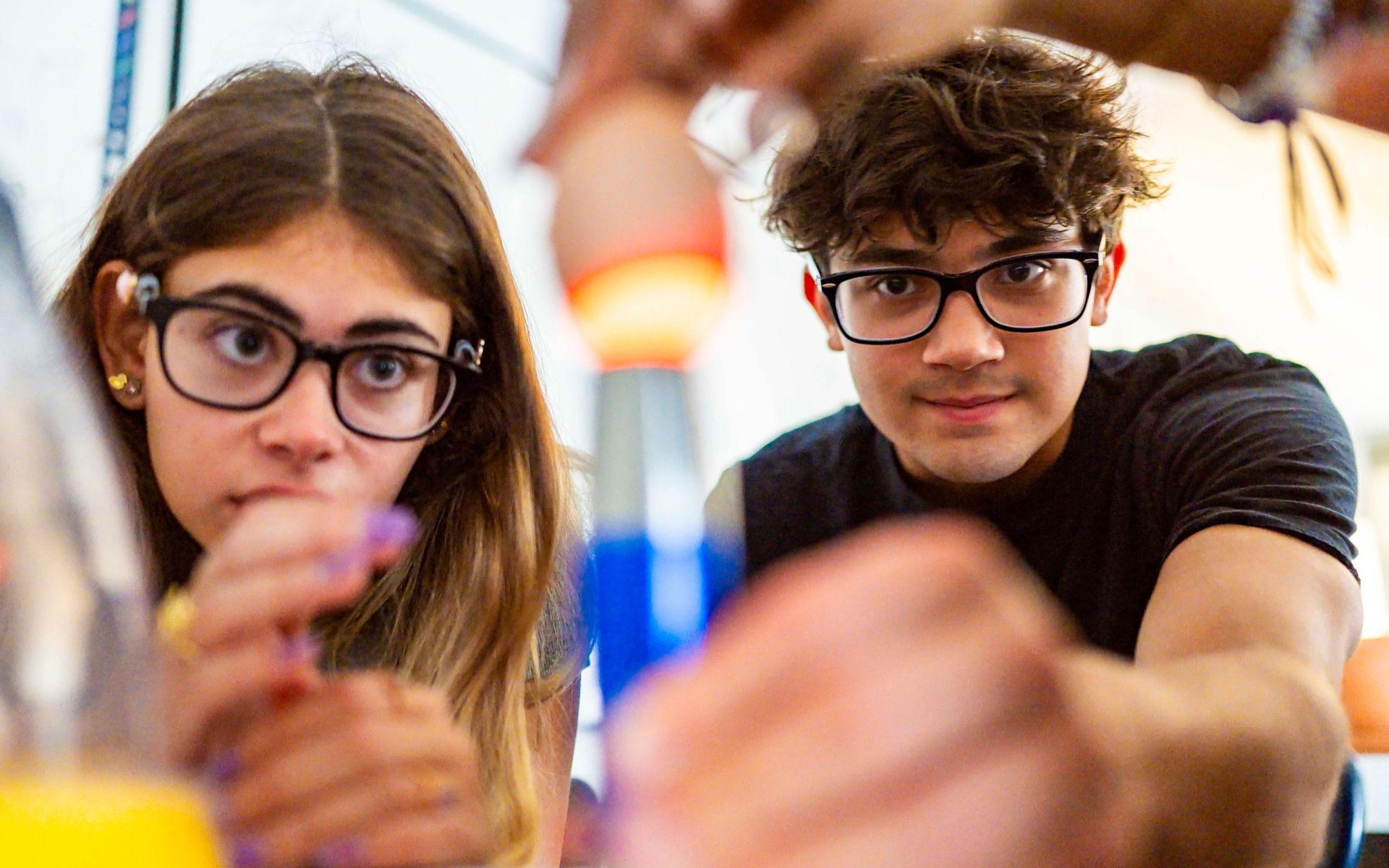
Discover the Junior Class Trip and the Senior Project: LREI’s two signature capstone programs. From collaborative, place-based research across the U.S. as juniors, to independent studies and internships as seniors, see how our students drive their own learning.
Understanding one’s ability to engage with and influence the challenges facing society is an evolving process. We believe that some of the most meaningful learning happens in communities that are navigating change — places working to adapt, rebuild, and imagine a more resilient future in a rapidly changing world.
It is our purpose and mission at LREI to graduate citizens who are ready to engage in shaping their own communities, who believe in their capacity to affect change for the future, and who know that they can and should be a part of that process. We believe the time spent engaging with communities in transition is essential to cultivating these qualities in our students, and this is the mission of the Junior Class Trip.
In the spring of 2015, LREI launched the Junior Trip Project, born out of LREI’s longstanding practice of fieldwork as an important tool for learning through experience. Ever believing in teacher knowledge, the school turned to teachers to design the project.
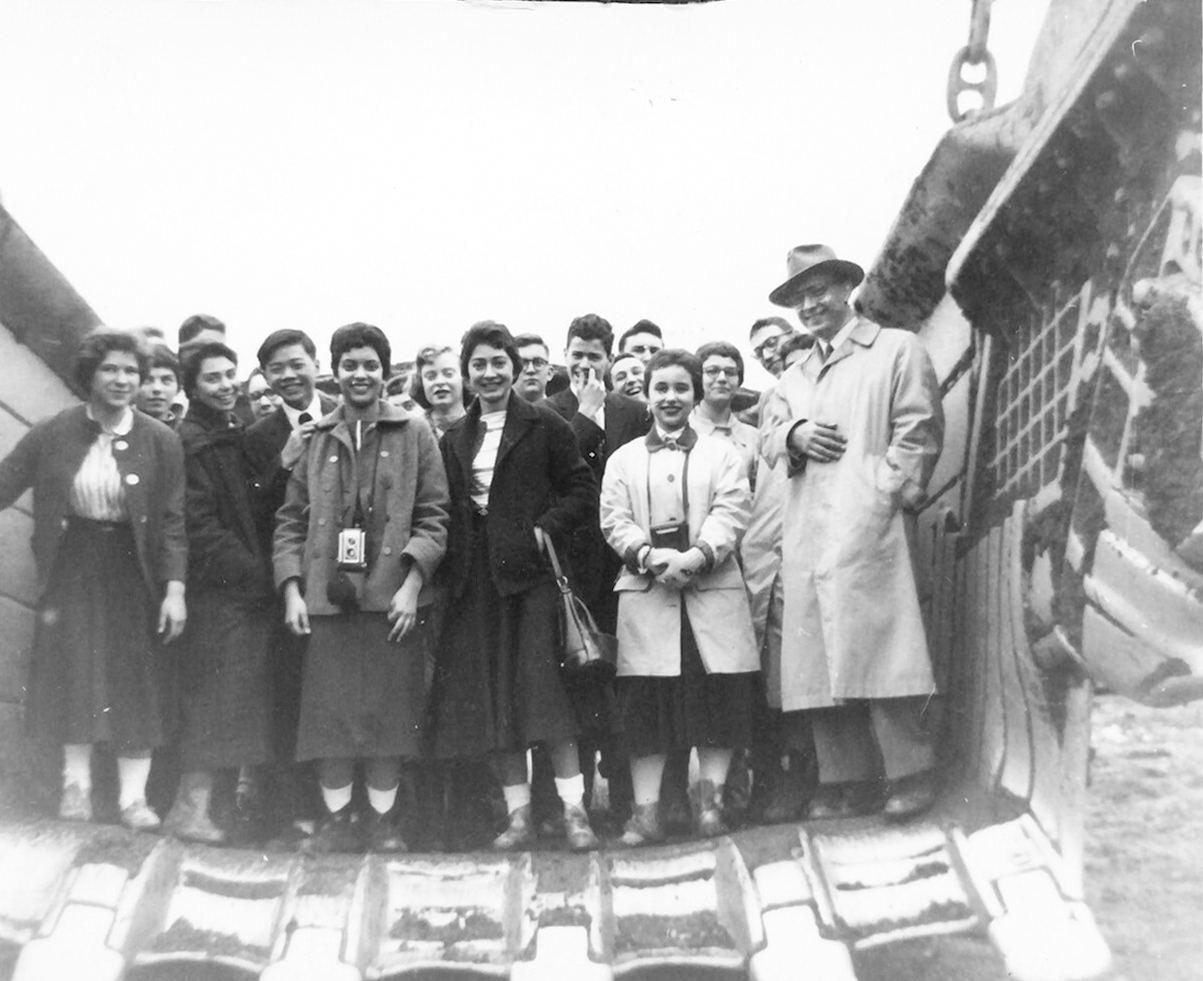
In 1942, teacher Agnes De Lima wrote:
Children need challenging tasks . . . . They are cramped by the four walls of the classroom and eager to explore the world beyond . . . . They enjoy the unexpected; it offers a test of their ability to deal with a situation. From our earliest days, trips have been an essential part of our school program; the curriculum is built around the children’s explorations of the world. We have referred also to the necessity on the teacher’s part of careful planning for these trips and the development of a technique which will insure safety, avoid strain and fatigue, and make certain that the children get all there is to be got from the excursion. No trip must be taken without long preparation. (pps. 95-96 & 153)
Guided by the framework and ideas of Bryan Stevenson, juniors design year-long research projects that lead them into communities actively confronting issues of change, justice, and resilience.
In the fall of junior year, students begin identifying issues in the U.S. they feel are important and pressing. The class works their way to 6 issues, and then divides into research teams, according to interest. They then research where in the U.S. communities are working to tackle these issues, and eventually find their way to a place where they want to join the community to study–to conduct their fieldwork. Ongoing research leads them to community partners, nonprofit leaders, local government officials etc whom they arrange to meet with, and each April the entire Junior class travels for 1 week to their various locations around the U.S. to listen to and learn from these communities.
LREI has traveled from coast to coast...
.jpg)
Place-based research emphasizes learning through real-world experience and connection to the communities affected by a particular topic of study. It aims to help us understand a particular social or political issue more deeply by examining the unique ways it has affected communities in a particular place, within the context of that place's unique history, culture, and circumstances.
The Senior Project is the capstone of a student’s time at LREI. Rooted in inquiry and guided by curiosity, it invites seniors to design and pursue an independent study of their own making.
Students shape a driving question, then conduct research through fieldwork and community engagement before bringing it all together as original insight and understanding.
Each project includes a six-week independent, experiential component that can take many forms. Students may pursue internships, apprenticeships, or independent work with a mentor in the field they are exploring.
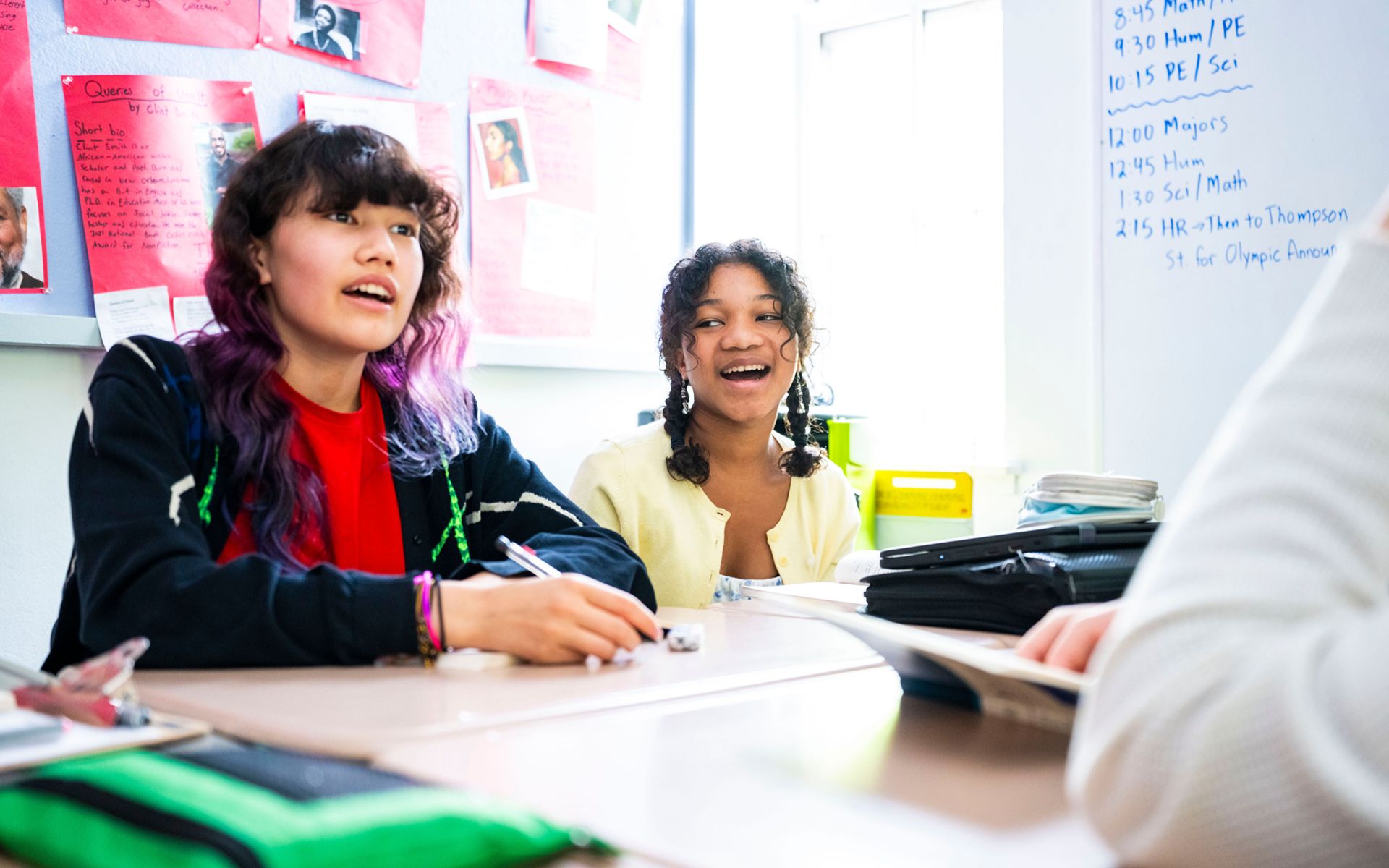
A culminating project where students take ownership of their learning journey.
All Senior Projects must demonstrate connection to the world, self-led learning in an area of interest, and a final demonstration of that learning. During the third trimester, seniors complete these projects in order to fulfill their requirements for graduation, and end their academic program with a showcase of their work, reflective of the skills and abilities they have built over their high school years.