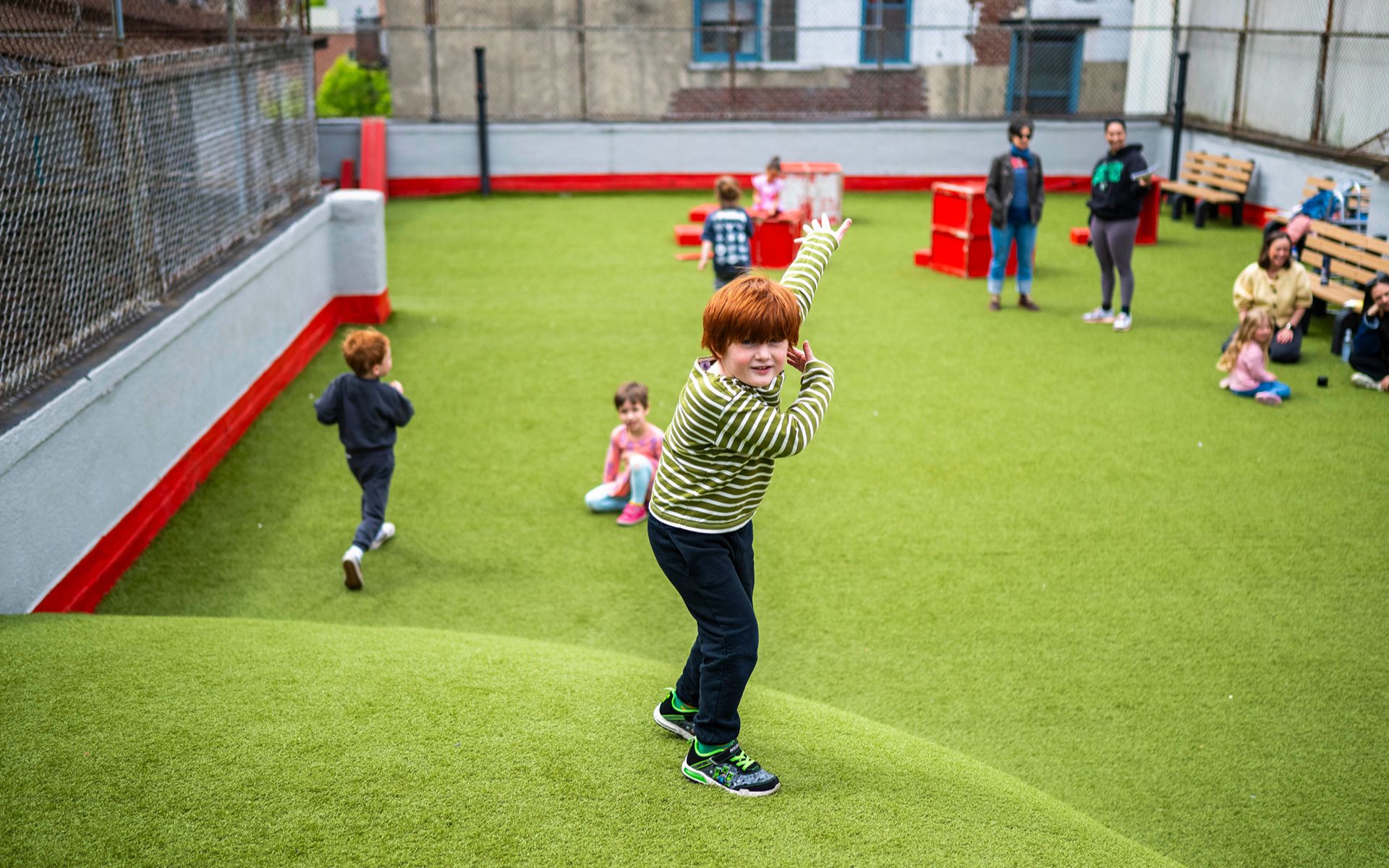
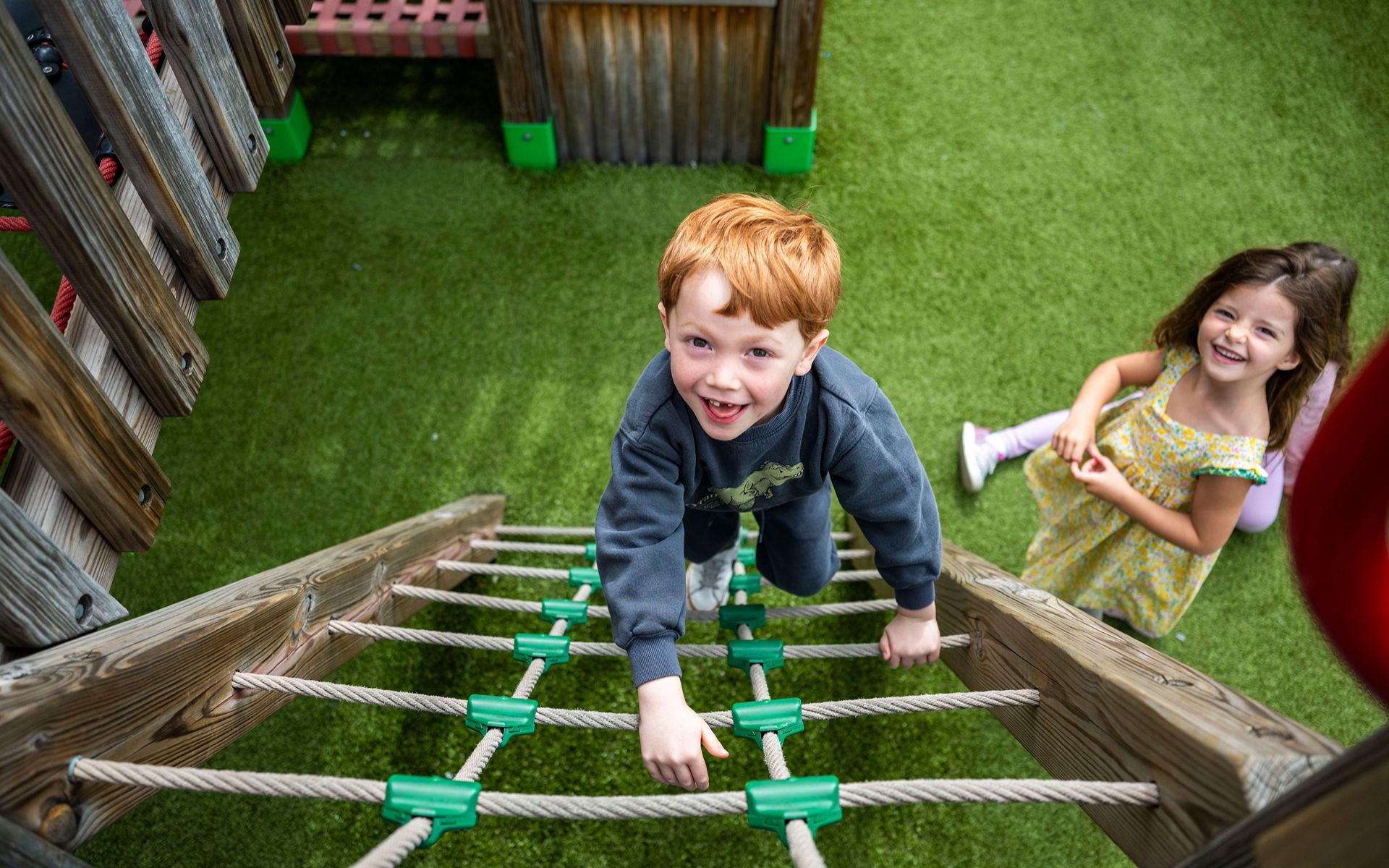
We believe that great learners ask great questions. From the beginning, as 4-year-olds, students are engaged in inquiry. Guided by expert, dedicated teachers, they construct their understanding of the world through an engaging curriculum.
LREI's lower school honors the learner in each child and sets the course for mastering the most fundamental of skills while honoring the knowledgeable learner that arrives at our doorstep.
Our expert teachers guide each child in our tight-kinit and diverse classrooms. Children and their families are well known and forge life-long relationships.
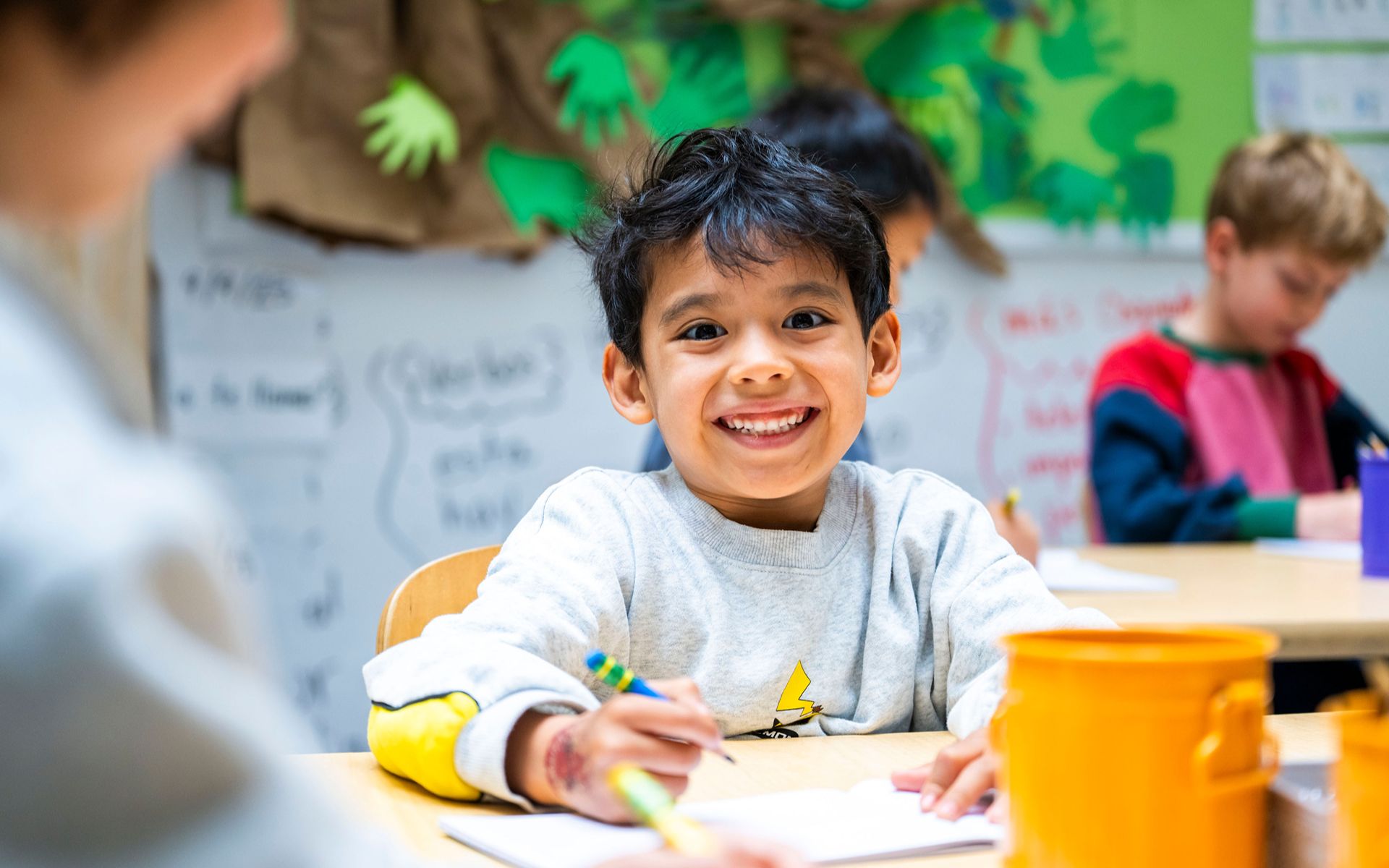
A student’s day will be filled with social studies, reading, writing, mathematics, science, engineering, foreign language, physical education, and the arts.
The academic program invites students to move beyond surface-level understanding and apply their skills in new and varied situations. Kindergarten students conduct interviews and write about members of the school community they meet as they study every corner of LREI.
Second graders analyze data about how people use the city’s public transportation system, and fourth graders learn to build and program robots in their hands-on science class. This is purposeful and challenging work. Through iterative inquiry, fieldwork, and collaboration, students’ experiences and projects reflect their growing knowledge and increasingly complex thinking.
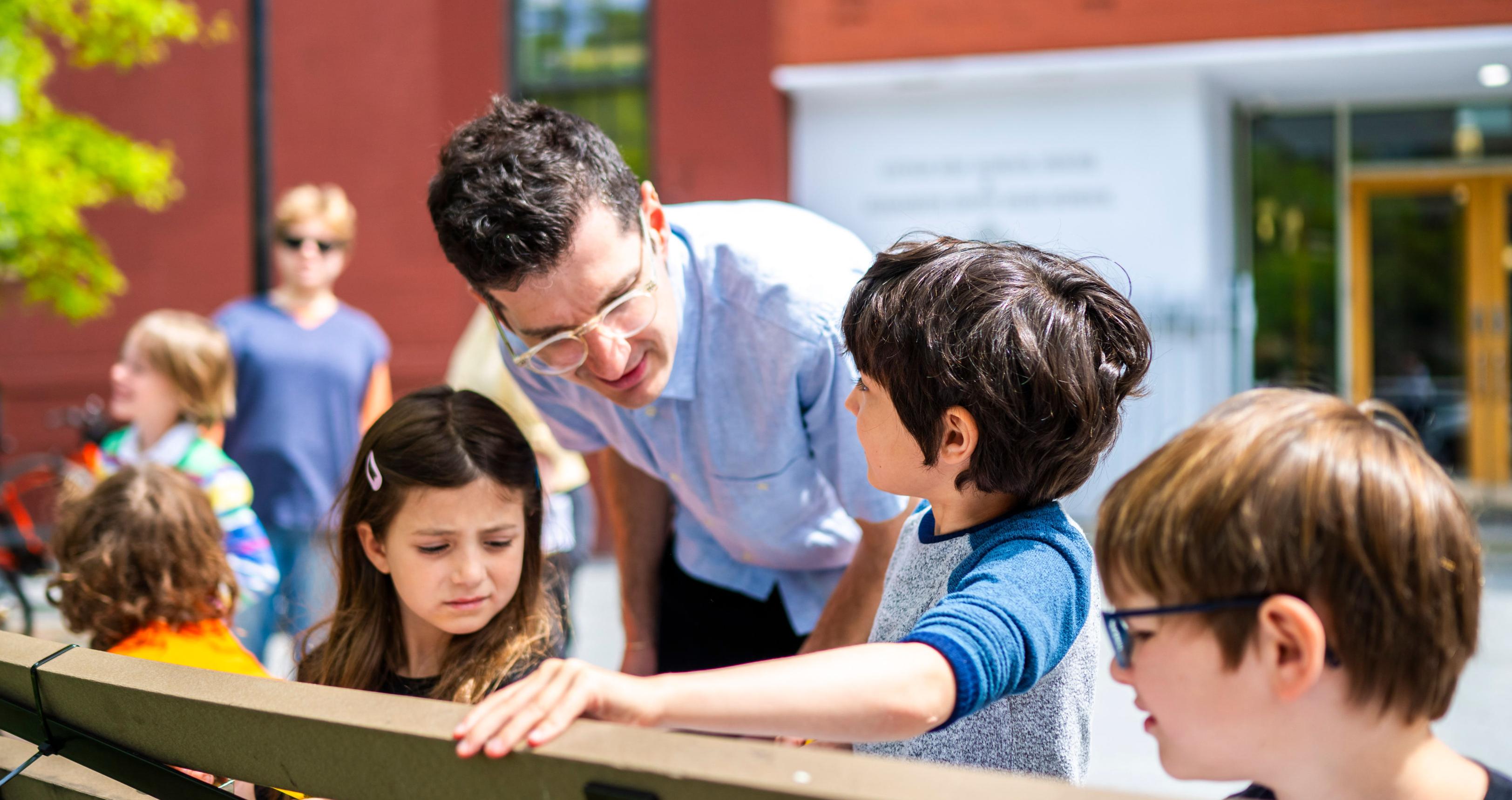
Over the 14-year experience, LREI students come to understand themselves as learners.
They develop agency and the ability to collaborate, think critically, and act with integrity as citizens in a rapidly changing world. In one of LREI’s school songs, children ask, “What can one little person do to make this world go round?” In the Lower School, we believe that a little person can make a tremendous impact, and our young community members are learning to do so every day. Come experience this for yourself!
Elisabeth Irwin, our founder, believed that meaningful learning extends beyond the walls of the classroom. Throughout the year, students leave the school building to engage with the wider world. Within our four walls,even a short trip to the woodshop or tech lab offers an opportunity to explore new ways of thinking and learning. Students learn to get as close as possible to the source if you want to truly understand.
Special area classes give students the opportunity to develop skills in the arts, sciences, sports, and movement while encouraging creativity, curiosity, and hands-on exploration. Along the way, students are also strengthening essential skills such as literacy, mathematical thinking, organization, and collaboration.
Specialist teachers work closely with classroom teachers to connect their instruction to yearlong interdisciplinary studies, helping students experience learning as integrated, meaningful, and connected across disciplines.
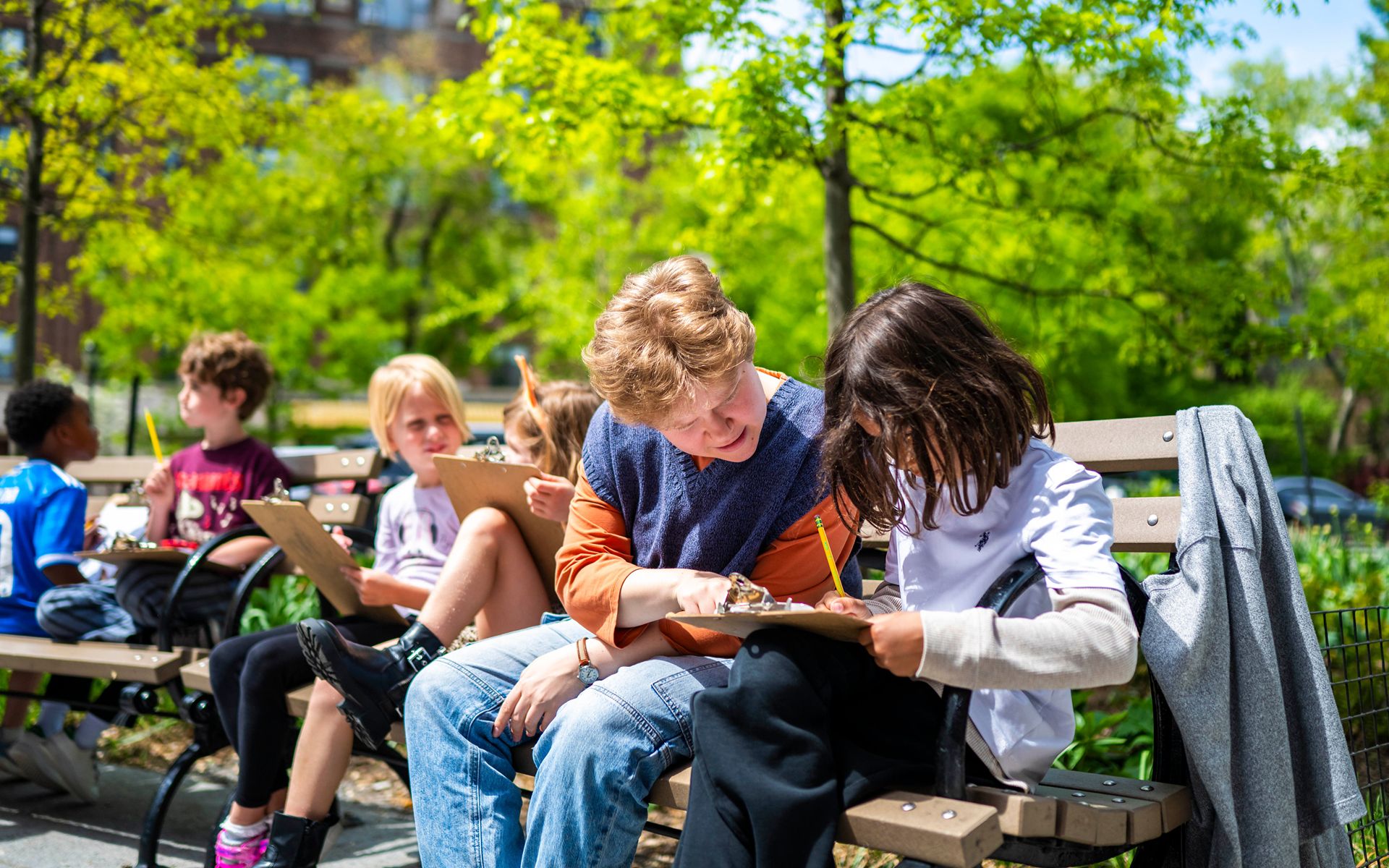
Lower school students, from the first to the fourth grades, create art in the Lower School Art Studio, and Fours and kindergarten students work with the art teacher in their classrooms. Our young artists explore the basic materials of paint, clay, papier-mâché, and collage, and they draw, print, sew, weave, and build in three-dimensions. Initial questions focus on materials. “How do I make orange?” and “How can my clay animal have stronger legs?” lead students from a basic understanding to increasingly representational thinking, with questions such as “How can I draw myself, and my family?” and observational work asking “What do I see when I observe an important part of our city? How can I represent it on paper?” Throughout the years, children reflect on their artwork, discussing their goals and the challenges they face.
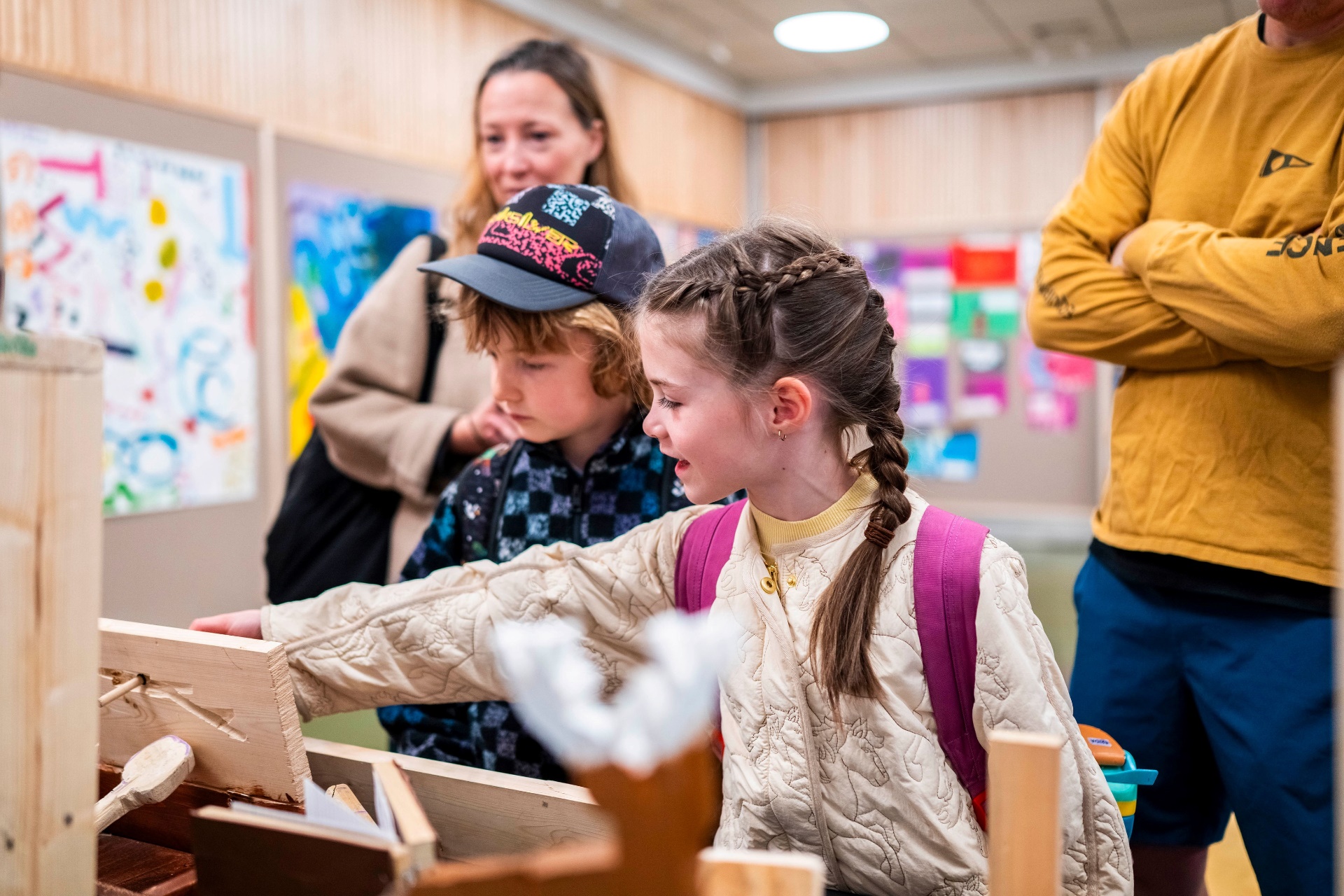
Students participate in the woodworking program beginning in first grade. They develop creativity, self-confidence, problem-solving skills, planning skills, and safety skills. A range of fine motor skills are created through the use of wood, fabric, glue, saws, hammers, and other hardware. Woodshop projects are often coordinated with classroom curricula. At other times, projects reflect experiences that exercise imagination and support motor development, such as carving, hammering, and sanding.
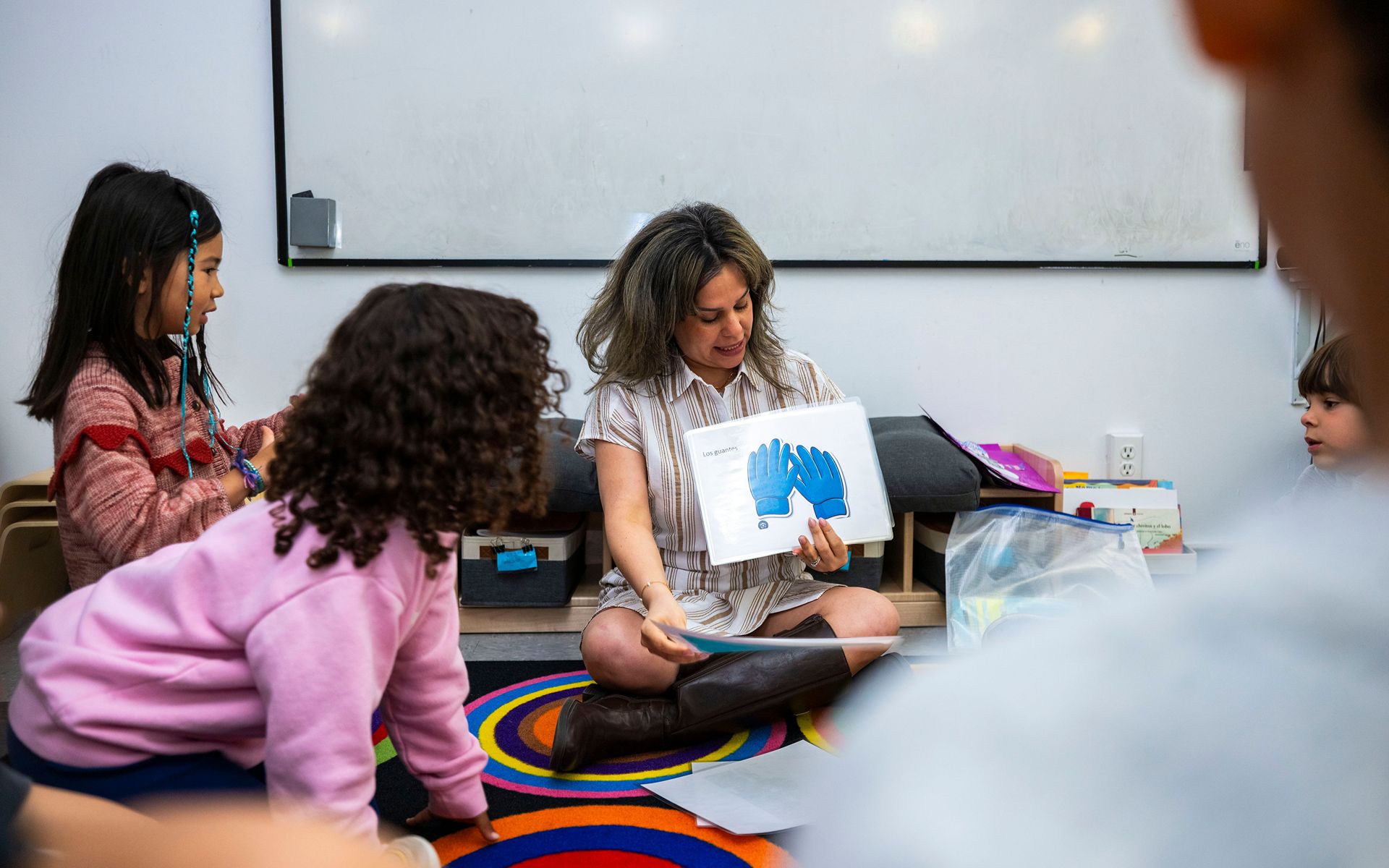
All Lower School students study Spanish beginning in the Fours. Students learn essential vocabulary through songs, games, and the arts. As they move into the upper elementary grades, students begin to read and write basic vocabulary through a variety of activities. Classes are taught primarily in Spanish.
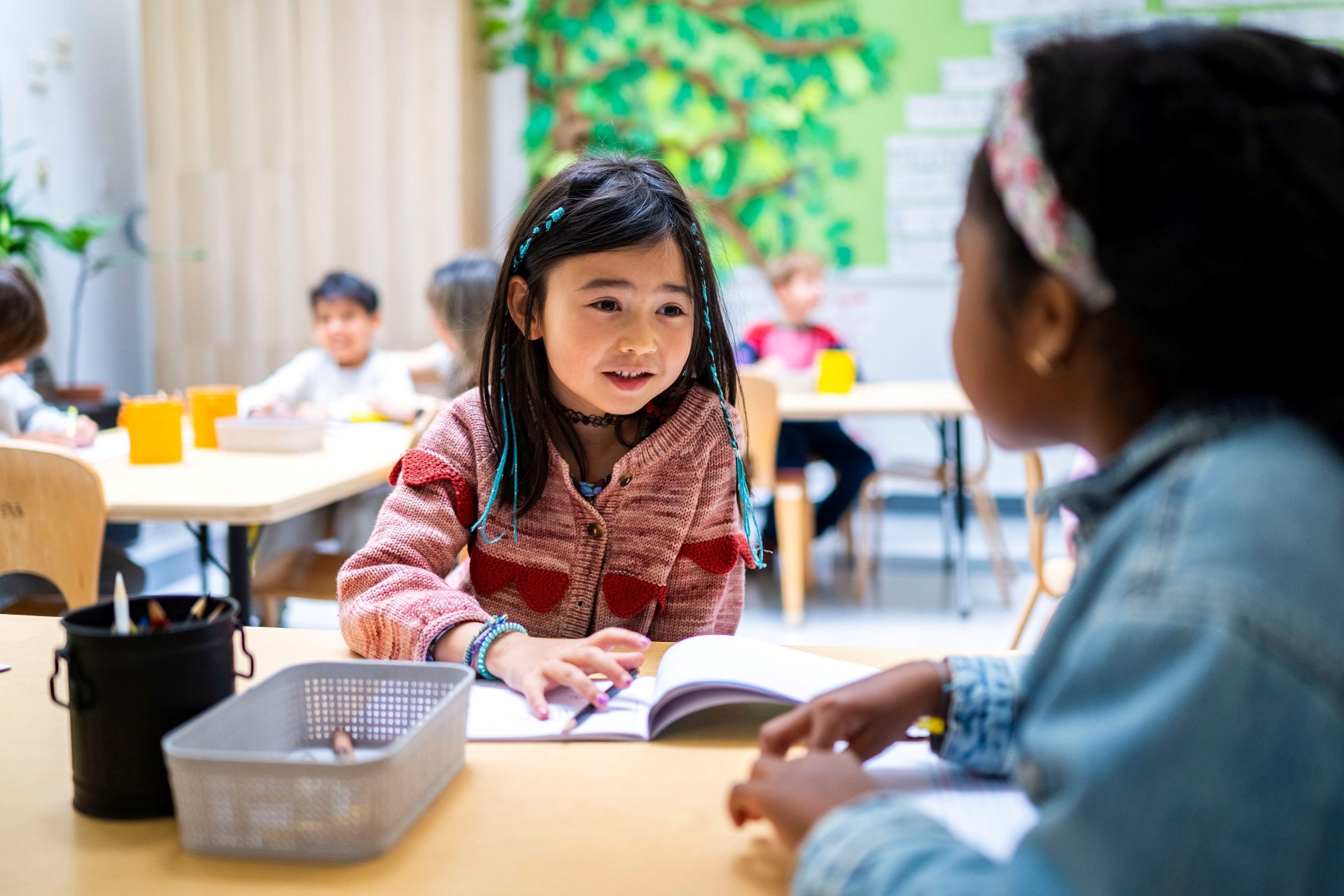
As in other areas of LREI’s program - great science learners ask great questions. Children of all ages have a natural desire to investigate the world around them and to seek solutions to the mysteries they encounter. The lower school science program aims to nurture these dispositions by creating an environment that provides students with opportunities to actively explore and understand the natural world. The curriculum maintains a focus on inquiry, design, and investigations. Students use scientific tools to gather evidence, rely on data to formulate conclusions, and develop an understanding of scientific concepts through experiential learning. They examine the natural world, their connections to it, and explore how we can create a more sustainable future.
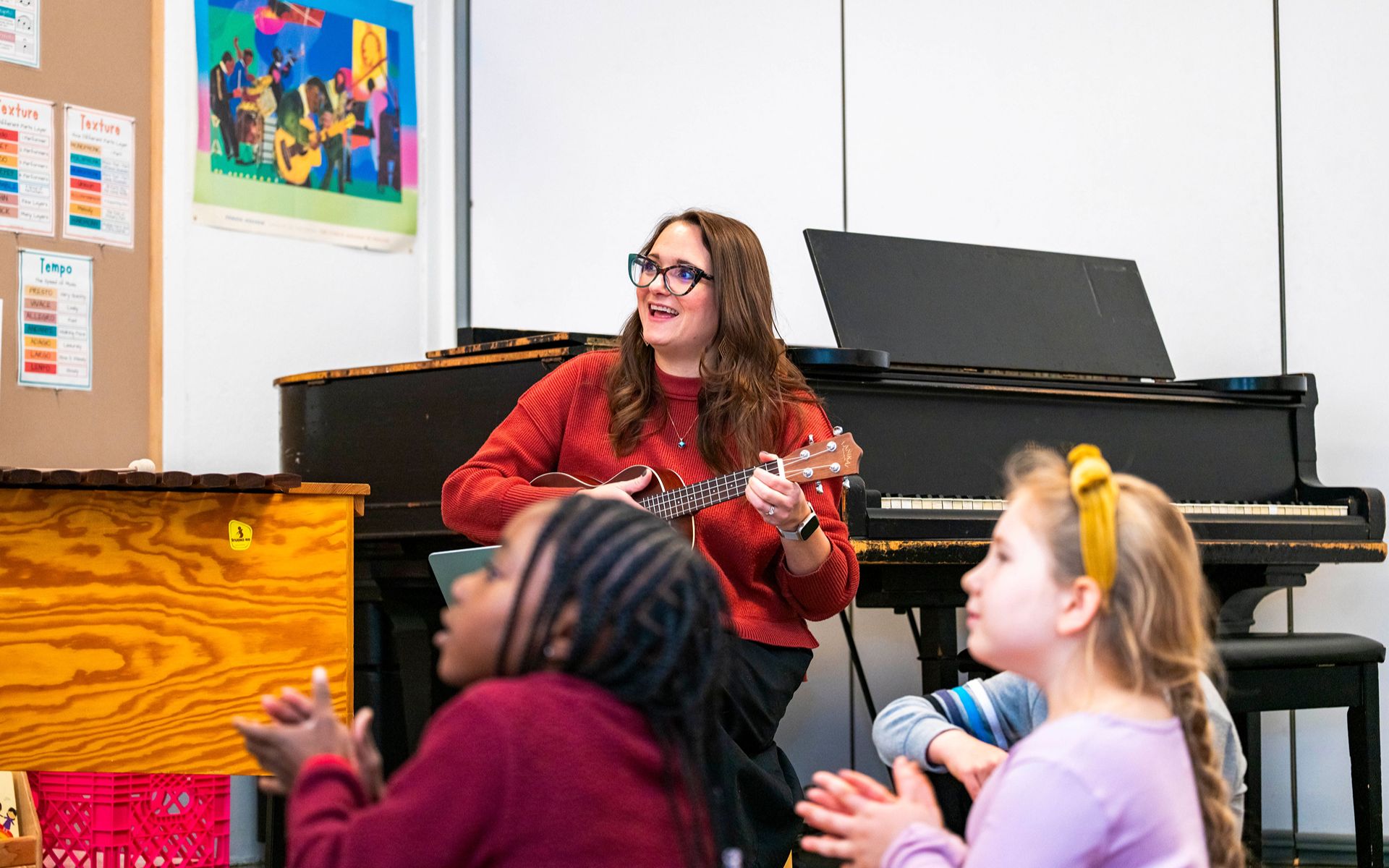
The early childhood music program is based on the Orff approach to learning, integrating singing, movement, instrumental play, body percussion, speech, poetry, and drama. The children play in ensembles of specially designed pitched and non-pitched percussion instruments, such as xylophones, glockenspiels, claves, and drums. Each lesson is designed to teach musical concepts and skills, and build from a simple theme or element into larger forms. Children learn a repertoire of age-appropriate songs that often relate directly to their classroom curriculum or to the larger community of LREI.
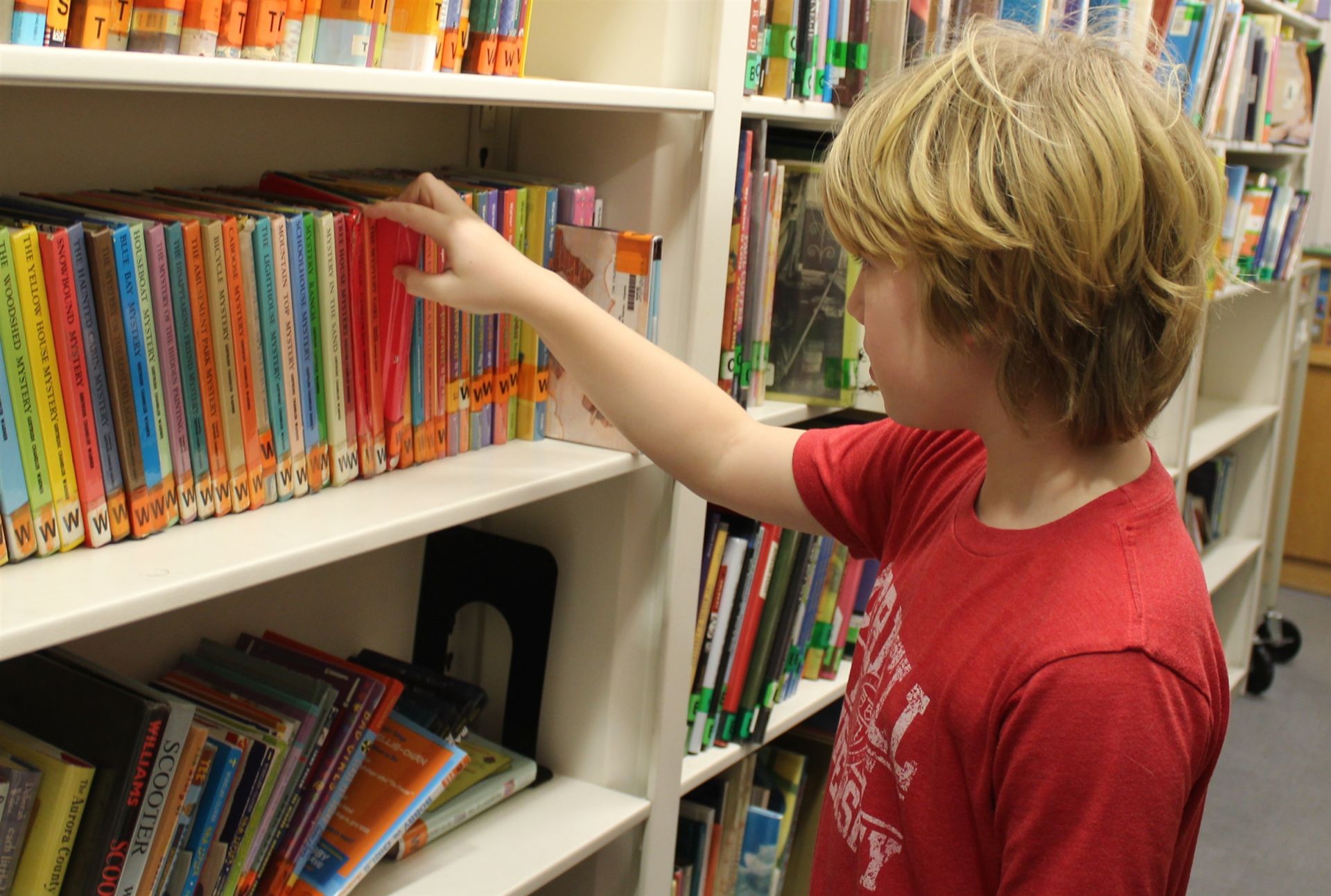
LREI’s library collection contains a large selection of engaging fiction and non-fiction texts for all reading levels. Spanning two spaces, one for our youngest students and another for the older students, our library program supports our growing readers and researchers, taking seriously our charge to create lifelong readers.
In collaboration with classroom teachers, second, third and fourth grade, students develop media literacy and research skills, focusing on determining reliable sources, considering multiple perspectives, gathering information through note taking then synthesizing their notes.
LREI’s physical education program is designed to support the growth of children’s movement skills and understanding of healthy bodies while encouraging creative collaboration and fair play. In addition to focusing on the skills that support sports readiness, the program provides children with the opportunity to express themselves physically and discover the joy that only play can bring.
In Early Childhood Movement & Dance, children explore the concepts of space, time, energy, and relationships through creative movement, developing personal expression, self-confidence, and critical thinking. Students build their young choreographic and artistic voices. The curriculum provides opportunities for students to engage with dances from multiple cultures, styles, and genres in developmentally and culturally appropriate experiences. In creative dance, children learn to work collaboratively and respectfully with others, as well as to challenge themselves.